If you buy one thing for a first flock, buy Rhode Island Reds. They're the single most forgiving breed I hand new keepers — tough, calm, productive in almost any climate, and they shrug off beginner mistakes the way expensive breeds can't. The honest catch: they're a little plain. No blue eggs, no crests. What they give you instead is an egg nearly every day and a bird that won't punish you for being new at this.
🐣 Buy Rhode Island Red chicks live — shipped
Walk into any feed store in spring and the chicks come with names that sound like a foreign language. Australorp, Wyandotte, Faverolles. For a first-time keeper that wall of unfamiliar names is genuinely overwhelming, and it's the reason most people end up buying whoever's cutest or cheapest — which is how flocks get difficult, broody, or just plain disappointing.
In fifteen years of keeping birds, I've learned the breeds most beginners actually succeed with share a few quiet traits: they stay calm around kids, they forgive a missed egg or a late coop door, and they keep laying even when you'd rather not be out there in February. That's not a new problem. The domestic chicken traces back roughly eight thousand years to the red junglefowl in Southeast Asia — longer than most of the crops we grow — so by now we've got the sensible ones and the demanding ones sorted out. This list is deliberately short: three breeds worth handing a friend who's never owned a chicken, and what honestly comes with each.
What Makes a Good Beginner Breed?
Ask anyone who's kept chickens for a while and you'll get some version of these same boxes, in a different order. This is the checklist I go through before I ever recommend a bird:
- Calm enough to tolerate handling and close quarters without melting down
- Adaptable to both heat and cold — some birds are only happy in one
- Lays reliably, so you actually see the payoff early
- Easy to find at a real feed store or hatchery, not just a specialty breeder
- Hardy enough to survive your early mistakes without making you a vet bill
Notice that "rare, beautiful, or a conversation starter" isn't on the list. Beauty is great — just don't start your flock with it. Rare and delicate breeds are for people who've already killed a few hearty ones and learned the basics.
The Three Starter Breeds Worth Your Money
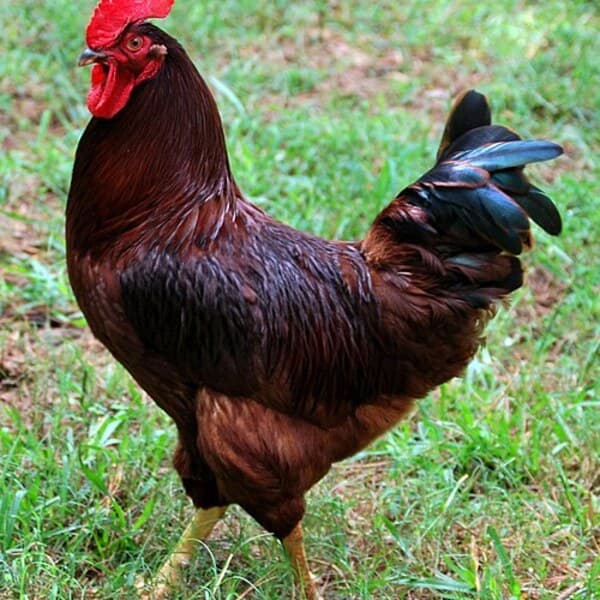
Rhode Island Red
The breed I hand new keepers without a second thought. Tough, calm, and productive in almost any climate — it shrugs off beginner mistakes the way expensive breeds can't. You'll rarely go a day without an egg in peak season, and that early payoff is exactly what keeps a new flock keeper hooked.
Full breed profile →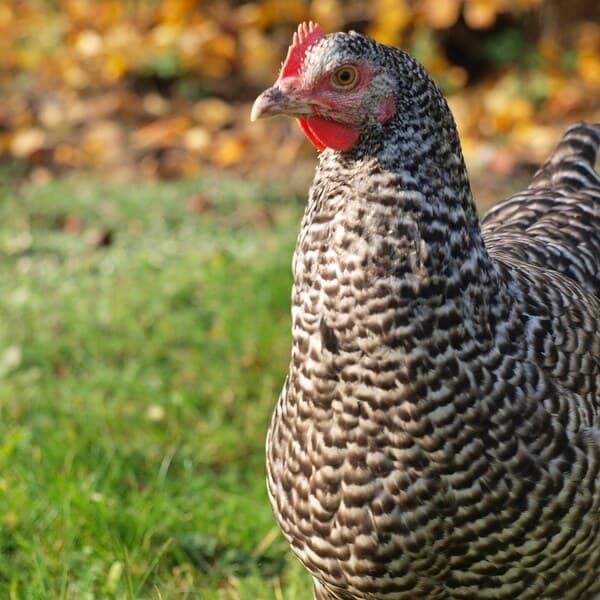
Barred Plymouth Rock
My second recommendation, especially if your winters bite. Barred Rocks are curious, cold-hardy, and eager to work with you — kids love them. The black-and-white barring is striking, but the real win is temperament: they lock in on you as their person faster than almost anything I've kept.
Full breed profile →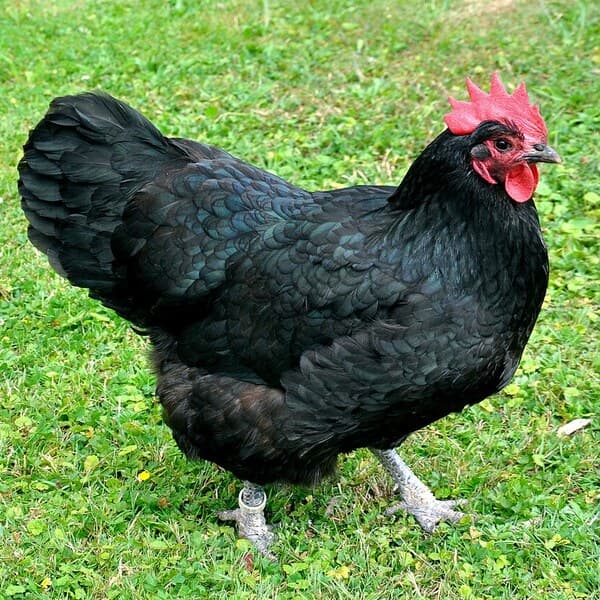
Black Australorp
The laid-back champion. Australorps are calm, quiet, and genuinely content in a small run, which matters more than people admit when you're starting out. One hen once set a record most backyard birds never get near. If you want eggs without the sparkle and fuss, this is the most relaxing layer I know.
Full breed profile →The Gear That Starts a Flock Right
The breed is half the equation — the other half is the kit you set them up with on day one. You don't need the fanciest version of anything. You need the pieces that won't fail on an eight-week-old chick or a nervous new keeper.
Brooder & starter kit
A box, a heat source, a waterer and feeder that don't tip, and chick starter feed sorted before the birds come home. Buy this as one kit and you skip nine little trips to the feed store and the panicked "wait, do I have a feeder?" moment. Honest con: kits are convenient but not always the best-value pieces individually, so it's fine — and sometimes cheaper — to source the parts separately if you already own a tub and a heat lamp.
See brooder starter kits on Amazon →Pre-made coop worth the spend
A shed-style Smart Coop is the one purchase I'd steer you toward over bargain models, because cheap coops run small, drafty, and predator-weak. Real insulation, ridge ventilation, and room for four to eight birds. Honest con: it's a real investment — for a two-bird patio flock in a mild climate you're likely overpaying, and the smart app features are nice-to-have rather than essential.
Shop Smart Coop → 10% offBreeds Worth a Second Look
These aren't the safest first birds, but depending on your situation they're worth considering later:
- Buff Orpington — the golden retriever of chickens, famously gentle for kids, but a moderate layer; production is secondary to how hands-on you want to be
- Easter Egger — blue and green eggs, wonderful conversation starter, absolutely mixed heritage so no two look the same
- ISA Brown — a real production powerhouse at 300+ eggs a year, but it's a commercial hybrid with a shorter laying lifespan and can be harder to source
Breeds I'd Skip as a First Flock
Beautiful birds all of them, but each one punishes rookie mistakes harder than it rewards them:
- Silkie — irresistibly sweet and fluffy, then they stop laying for long stretches and need extra care in wet weather. A soft-heart pet, not a layer.
- Ayam Cemani — striking black-throughout bird, but rare, expensive, low in eggs, and sensitive; show bird, not starter
- Malay or other game breeds — genuinely self-assured birds with a streak that demands experienced handling
A Getting Started Checklist
- Order brooder kit before chicks arrive — heat lamp, feeder, waterer, pine bedding
- Decide your flock size by egg goal, not by how cute the three-chick minimum feels (our planner does this math in a minute)
- Have a coop done before it's go-time — chicks convert to teens quickly
- Pick one starter breed from the three above; mix in the fancy stuff later once you've got a season under you
- Keep a full, dry water supply — dehydration fails more beginners than cold ever does
Ready to Plan Your Starter Flock?
Once you've picked a breed, the next question is always how many to bring home. Our flock planner works through that in about sixty seconds, based on your egg goal, your climate, and the coop you have room for.
Disclosure: this post contains affiliate links; we may earn a commission at no cost to you.