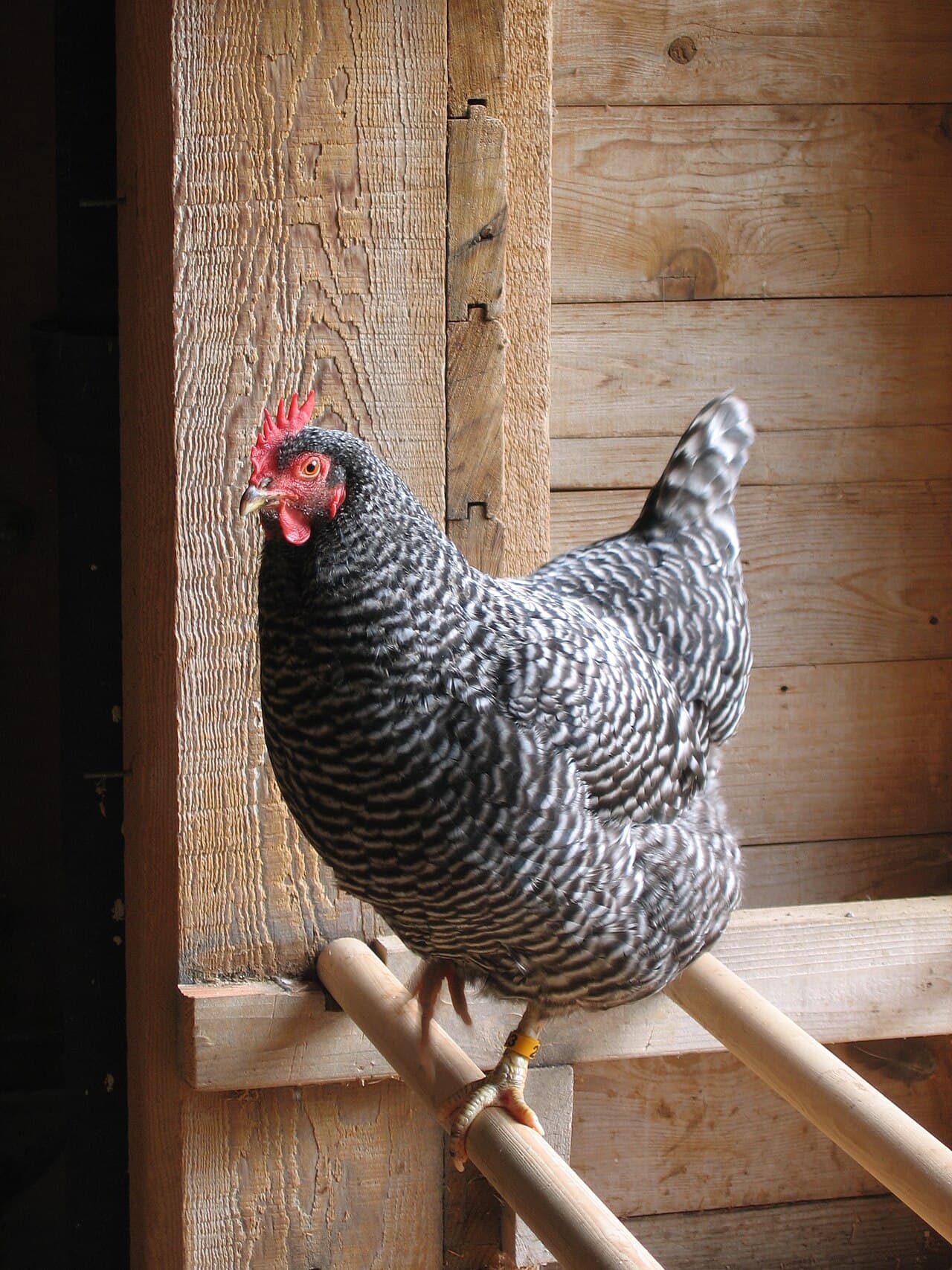
Here’s what surprises most new flock keepers: your chickens don’t usually need a heater at all. They came with one built in — a down coat, plus the ability to fluff those feathers and trap a pocket of warm air. What your coop needs a heater for is the exception: the deep freeze, a young or sick bird, and the damp days when frostbite starts nipping combs. Buy the wrong heater and you create a problem you didn’t have — and occasionally a fire hazard you absolutely don’t want near the flock.
My own coop made this real for me. A couple of winters back, my old hen stopped managing the cold the way she used to. I put a flat-panel radiant heater on the back wall, out of reach of the shavings and not directly over any roost, and that was the end of my frostbite worries. The heater didn’t run all winter. It just held a warm zone against the wall, and the roost had that comfort to lean into on the worst nights.
There’s a historical thread here too. The modern laying hen isn’t the free-range bird of our grandparents’ backyard. Starting in 1946 and running to its national final in 1948, the “Chicken of Tomorrow” contest — sponsored by the grocery chain A&P and the USDA — remade the American bird into a bigger, faster-growing hen bred for production. Those modern birds were never winter pack animals; they were built to lay, and they lean on us a bit more when the mercury drops. A little thoughtful heat helps today’s hens more than it ever helped the hardy farm flocks of old.
Why “Just Add Heat” Is the Wrong First Instinct
Heat lamps catch real blame, and some of it is deserved. We used them for years, and they account for a large share of coop fires — a hot bulb swung or knocked against the shavings is a way to spend a weekend covered in ash. Modern radiant panel heaters fix most of that. They don’t glow red, they warm surfaces instead of air, and most have a thermostat so they only draw power when it’s actually cold.
The Picks, With the Pros and Cons
The safest single upgrade for a frost-prone coop. It warms the birds directly instead of heating the whole air, runs cool enough that it isn’t the fire risk a heat lamp is, and the better units shut off automatically in warm weather.
Chickens won’t drink from ice, and dehydration stops laying fast. A heated base keeps water liquid down into single digits, so the flock stays hydrated and laying right through the cold snap.
Hens burn extra calories just staying warm. A slightly higher-protein ration plus a sprinkle of scratch in the evening gives them the fuel to generate their own heat from within.
The Honest Rules for Heating a Coop
- Do the real cold work first. Ventilation above the roost clears the moisture that actually causes frostbite. A sealed, damp coop is worse than a colder, dry one.
- Mount any heater right. At roost height, off the floor, well away from the shavings and the nest box, and never directly over a spot the birds stand.
- Keep the power tidy. Weatherproof lines, grounded, no exposed chafing where snow and mud can work on them.
- Heat only what needs it. Most fully feathered, healthy hens are fine through the teens without any power at all. Save heat for extreme cold, young birds, and sick or elderly hens.
Size, Not Heat, Does the Winter Work
The heater just takes the edge off; the real winter fix is getting the coop itself right. Don’t guess — plug your flock into the FlockPlanner coop-size calculator before you spend a dollar on warmth. A properly sized coop with good ventilation does more for a cold flock than any heater, and it’s safer on your power bill.
And if you’re still in the buying-a-coop stage rather than the heating stage, the overwintering coop guide opens at the same door — it’s the pre-heater answer.
Disclosure: this post contains affiliate links; we may earn a commission at no cost to you.