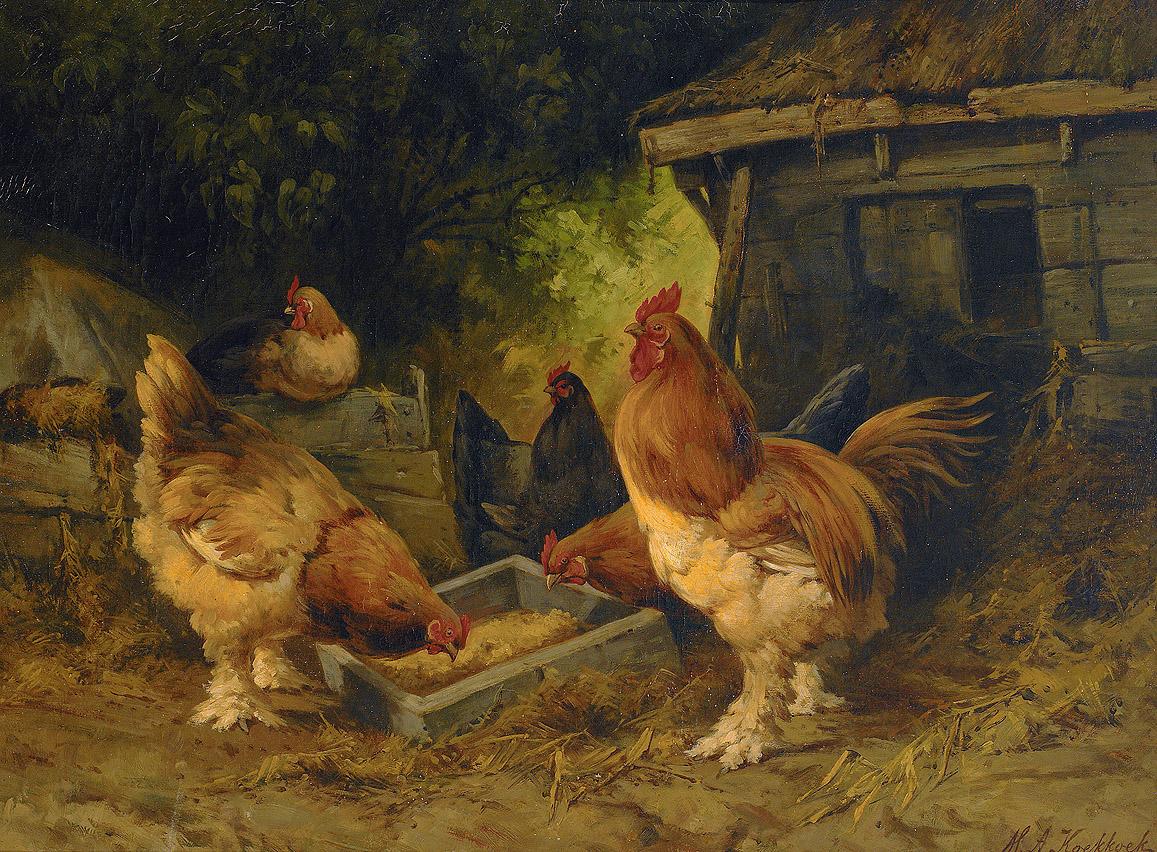
The first time I saw frostbite on a chicken, I didn’t know I was looking at it. It was a still January morning, twelve degrees, and one of my hens had pale, chalky tips on her comb. Not black. Pale. I thought it was dried shavings dust and wiped at it with my thumb, which is exactly the wrong thing to do.
Three days later the tips went grey, then black. By the end of the month the very points had shriveled and dropped off, and her comb had a ragged edge that never quite grew back right. She was fine. She laid all spring. But I’d had a warning I didn’t recognize and a week I could have used, and I’ve watched that comb edge every winter since.
Frostbite is one of the few winter problems you can prevent almost entirely, and almost nobody does, because the fix isn’t heat. It’s air.
What Frostbite Actually Is
Frostbite is tissue damage from ice crystals forming in living cells. On a chicken, the exposed real estate is the comb, the wattles, and occasionally the toes. Those tissues are thin, they stick out into the air with no insulation over them, and the comb in particular is heavily vascular — a big single comb is basically a radiator the bird uses to dump heat, which is great in July and a liability in January.
The thing that makes it dangerous is the delay. Frozen tissue doesn’t look frozen. It looks pale, then waxy, and the actual damage declares itself over the following days as the tissue dies and turns dark. So by the time you see black, the injury is a week old and there’s nothing to do but manage it.
And the damage is usually not fatal. It’s disfiguring, it can cost a hen her comb tips, and in a bad case it opens a door for infection. But the reason to care isn’t the cosmetics. A bird with frostbitten wattles has a harder time dumping heat all summer, and a rooster with a damaged comb can struggle to breed. It’s a small permanent tax on the bird, paid once, for a fixable mistake.
It’s Not the Temperature. It’s the Moisture.
Here’s the part that changes how you think about winter. Two coops at the same temperature will produce completely different frostbite outcomes, and the difference is water.
A chicken’s comb gets wet constantly. They drink with their heads down, they dunk their wattles in the waterer, they breathe out warm moist air all night, and they live in a building where the litter is releasing vapor. Moisture on skin massively accelerates freezing, because wet tissue loses heat far faster than dry tissue. Add a draft that moves air across a damp comb and you’ve built a frostbite machine that will do its work at twenty-five degrees, not just at zero.
Which means the first fix isn’t a heater and isn’t a balm. It’s ventilation. Warm moist air has to leave the coop from above the birds’ heads, and dry cold air has to come in — ideally through vents high on the walls or at the ridge, so the incoming air mixes and warms before it drops onto the flock. A sealed coop is a wet coop, and a wet coop frostbites birds at temperatures that would otherwise be fine.
I wrote the whole ventilation case in this post, and it’s the single highest-leverage winter read on the site. If you only fix one thing this month, fix that.
Who Gets Frozen, and Why Them
Not every bird in the coop is equally at risk, and knowing which ones to check tells you what to change.
Big single combs. Leghorns, Minorcas, Andalusians, most of the Mediterranean breeds. More surface, more blood flow, more tissue to freeze. A large-combed rooster is the most frostbite-prone bird on the property.
Young and old birds. A pullet in her first winter hasn’t built the body condition yet. An old hen has poorer circulation. Both get hit before the middle-aged flock does.
Birds in molt. A molting bird is pouring protein into feathers and has bare patches, including sometimes around the head and neck. Late molters go into December thin and exposed.
Anyone roosting badly. This is the one people miss, and it’s the one you can fix in ten minutes. A bird that roosts pressed against a cold exterior wall, or on a narrow round dowel, or directly in a draft path, is being set up. Feet wrapped around a narrow bar hang exposed instead of tucking under the body’s feathers, and a bird against a wall gets conducted cold straight through her side.
The Four Fixes That Actually Work
1. Ventilate above the roost, never at bird level. High vents out, high vents in, and no openings that blow across where they sleep. This is the whole ballgame.
2. Block the drafts that hit birds. Board up the low gaps, patch the broken window, hang a windbreak on the exposed side. The rule is simple: air moves above their heads, not through their feathers.
3. Fix the roost geometry. This is the cheap fix nobody talks about. Use a two-by-four with the wide side up, not a round dowel, so the bird’s toes and feet are covered by her own breast feathers when she settles. Give eight to ten inches of roost length per bird so nobody is shoved to the end. And keep the roost at least a foot off any exterior wall.
4. Keep the litter dry. Damp bedding is a vapor source all night. Deep litter, managed properly, is dry litter, and dry litter is the difference between a humid coop and a healthy one. There’s a full method in the deep litter post.
The Balm Question, Answered Honestly
Every winter someone asks about petroleum jelly on combs, and the answers online split into two camps that both sound certain.
Here’s my read, and it’s the boring middle. A protective balm is a moisture barrier. It does nothing about temperature, it doesn’t warm anything, and it won’t save a bird who’s roosting in a draft. What it can do is keep a dry comb from getting wet and keep a little wind off thin tissue, which is real but modest. Apply it thin, on a dry comb, before a cold snap — not on a wet bird, and never rubbed into tissue that’s already damaged. A greasy comb in a damp coop is just a damp comb with grease on it, and some keepers argue it traps moisture instead of blocking it. They’re not wrong that it’s not a cure.
So: use it as a small extra layer after the ventilation and the roosts are right. Never as the plan.
If It Happens Anyway
Do not rub it. Do not pop the blisters. Do not put snow on it, and don’t use a hair dryer or a heat lamp on a frozen comb — thawing too fast does more damage than the freeze.
What to do: bring the bird somewhere cool but above freezing and let her warm gradually. A warm — not hot — water compress on the wattles and comb for a few minutes helps. Keep her hydrated and eating. Watch the tissue over the next week; if it turns black, it will likely slough, and the job is keeping it clean and watching for infection rather than trying to save it. If black tissue spreads past the comb into the face, or the bird stops eating, that’s a vet call. And take a hard look at the coop, because the frostbite is a report card on the air in there.
A Breed That Was Built for This
The Chantecler is the best evidence that frostbite is a design problem, not a weather problem. It was bred starting around 1908 by Wilfrid Châtelain, a Cistercian monk at the Oka Agricultural Institute in Oka, Quebec, who looked around at Canadian flocks and realized no breed had actually been created for a Canadian winter.
What he produced has a small cushion comb instead of a big single one, and small or nearly absent wattles — the two features that frostbite targets, reduced to almost nothing. Close-fitting feathering, a solid body, and a comb that barely sticks up. The Chantecler is a breed shaped by exactly the question this post is about, and a hundred and some years later it’s still the cleanest answer: if you don’t want frozen combs, start with less comb.
The breed is endangered now, kept alive by small breeders. If you’re in a cold climate and you want a dual-purpose bird that doesn’t need you to think about January, it’s worth the search.
The Picks, With the Pros and Cons
A thin barrier on combs and wattles before a hard cold snap keeps moisture off thin tissue and takes a little wind off the surface. It’s the cheapest thing on this list and the easiest to apply at roost time with a bird under your arm.
Most coops ship with a round dowel, which is the worst possible roost for cold weather: toes wrap around it and stay exposed all night. A flat bar with the wide side up lets the bird settle down over her own feet, so her breast feathers do the insulating. This is the single most underrated piece of winter equipment there is.
When the Coop Is the Problem
If your birds are frosting up every January no matter what you do to the roosts, the honest answer is that the building is wrong: too small, too sealed, or drafty in the wrong places. Don’t spend a second winter patching it. A coop with ridge ventilation, sealed seams, and four square feet per hen does more for frostbite than any product in this post. The Smart Coop (our approved direct program — 10% off with code FLOCK at smart.coop.farm/FLOCK) is the buy-once answer if you’d rather not rebuild. The honest con: it’s a real investment, and in a mild climate with three hens you’re overpaying.
The Ten-Minute Version
Open a vent above the roost and close anything that blows on the birds. Swap the round dowel for a flat bar and check that every bird has room. Look at the combs of your biggest-comb bird and your oldest hen tonight, because that’s where it shows first. Keep the litter dry. Then leave the heat lamp in the box.
Size the coop properly before you buy anything else — the FlockPlanner coop calculator gives you the square footage and roost length your flock actually needs in about a minute. If you’re mid-winter already, the winterizing checklist is the fast pass, and the ventilation post is the one that fixes the cause.
Disclosure: this post contains affiliate links; we may earn a commission at no cost to you.